A conversation about malaria, market failure, and solutions for countries with limited resources
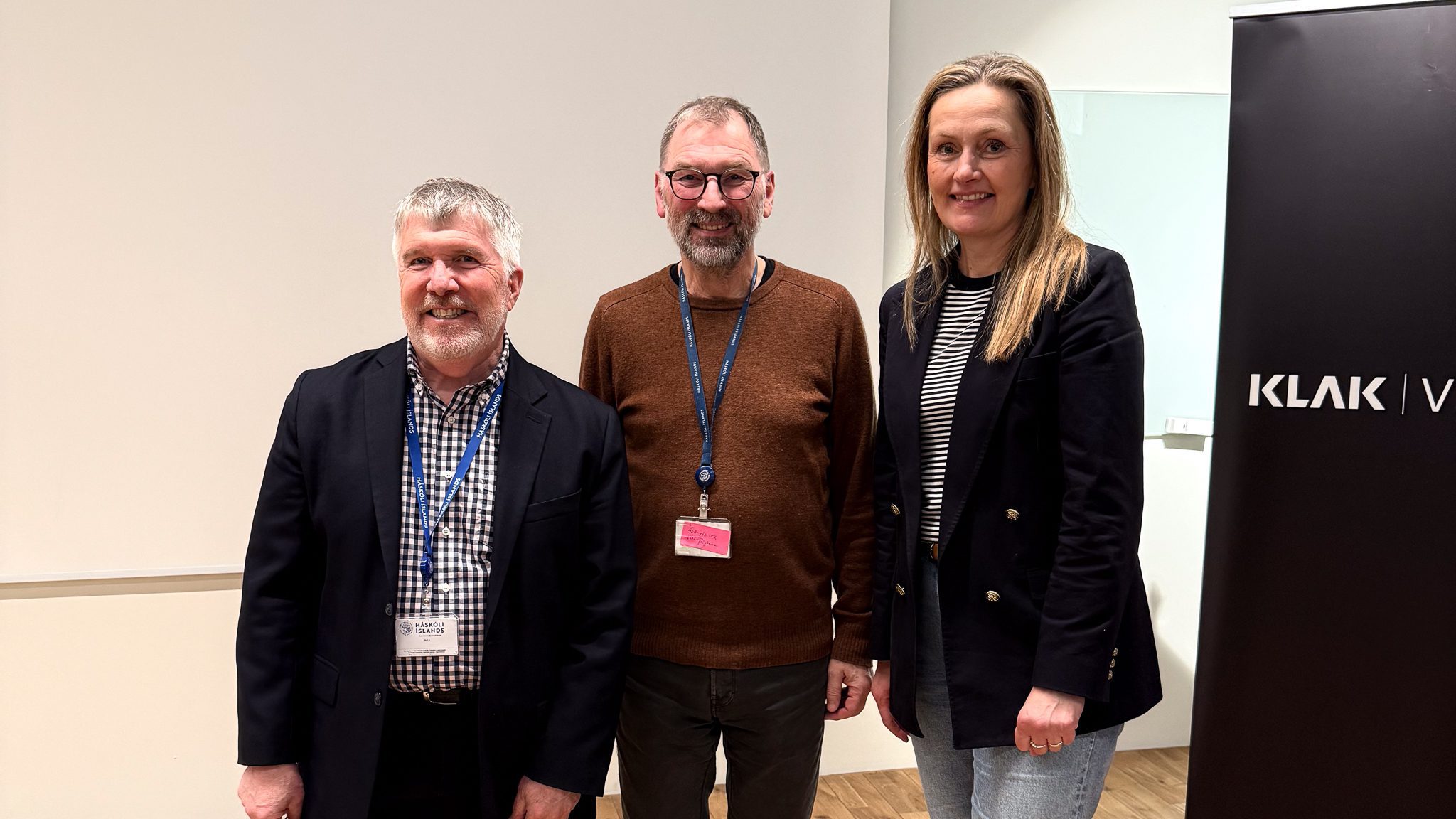
At the end of March, mentors took part in CLACK – VMS against two powerful experts in health innovation, Sveinbjörn Gizurarsyn, professor at the University of Iceland, and Steven E. Kern, Ph.D., Fulbright scholar at the University of Iceland. The joint lunch event in Gróska focused on how innovation and technology can deliver real impact in resource-limited countries – with a particular focus on antimalarial drugs, infrastructure, and financing.
The event was held in collaboration with the Icelandic Fulbright Institute and is part of their support for the America 250 project. It had a strong international angle, connecting the Icelandic innovation environment with large-scale projects in the field of global health.
Antimalarial drug factory in Malawi – "a project that deserves much more attention"„
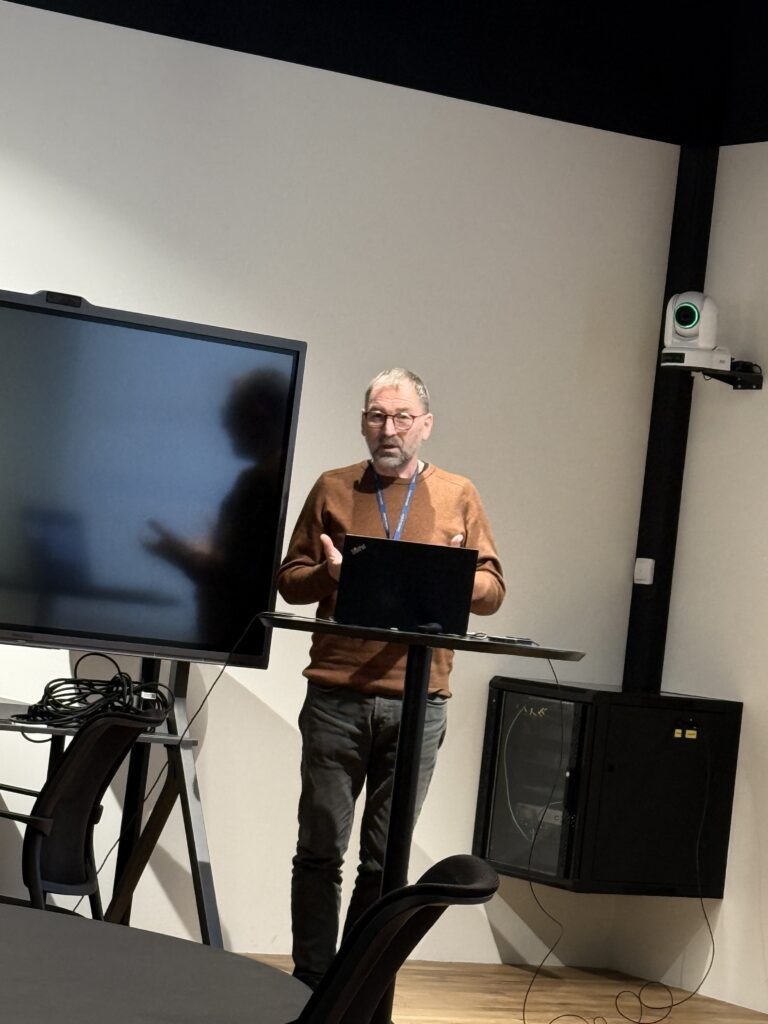
At the beginning of the event, Sveinbjörn Gizurarson presented the work on building an antimalarial drug factory in Malawi. He discussed the vision, motivation, goals, and main challenges of the project – from the need for constant access to drugs to the complex infrastructure, regulations, and human resources on site.
In discussions in Iceland, the project has been described as a true flagship that deserves much more attention than it currently receives, and experts placed special emphasis on the fact that such an initiative clearly demonstrates how far Icelandic ingenuity and collaboration can go when looking beyond traditional markets.
For mentors in VMS, this was a clear example of how guidance, networking, and strategic support can make a difference when teams tackle projects that are both technically, financially, and socially challenging.
„"Bringing Innovation to Low Resource Countries" – lessons from Global Health Labs and the Gates Foundation
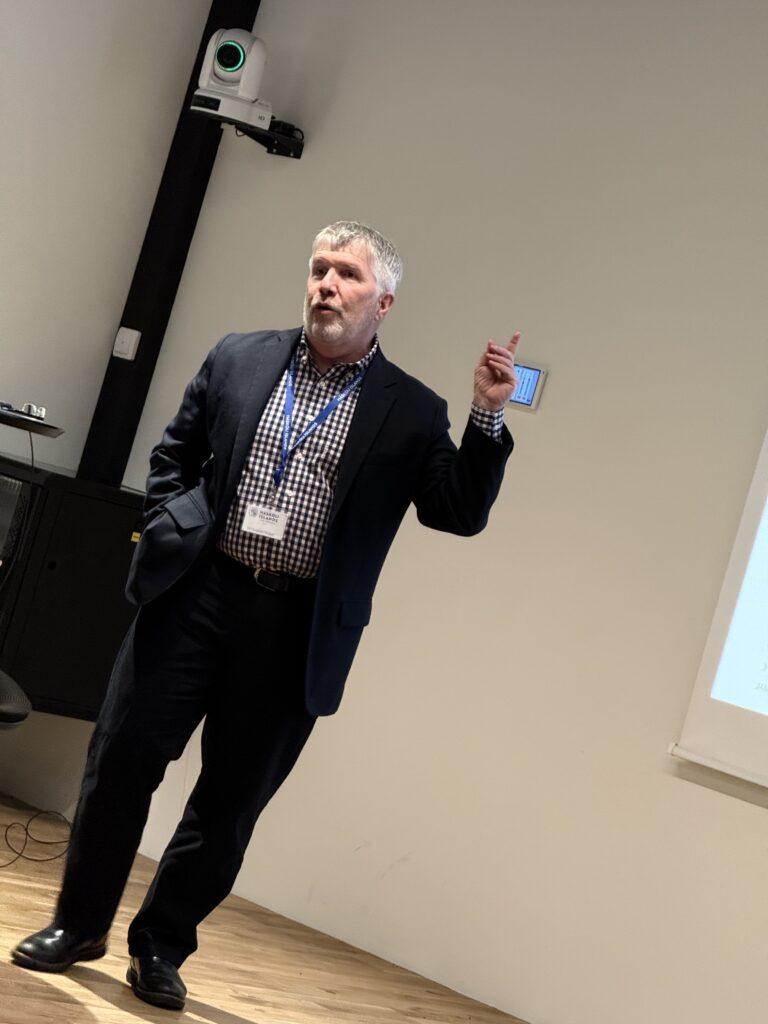
Next, Steven E. Kern, Ph.D., gave a talk titled „Bringing Innovation to Low Resource Countries.“ Steve is a Fulbright Scholar at the University of Iceland, former Director of Global Health Labs, and former Deputy Executive Director of the Bill & Melinda Gates Foundation, as well as an Associate Professor of Anesthesiology and Bioengineering at the University of Utah.
In his talk, he drew a picture of two so-called "valleys of death" in health innovation. On the one hand, the "Translational Valley of Death", where investment in bringing initial ideas through clinical trials and manufacturing scale is often scarce. On the other hand, the "Health Equity Valley of Death", where regulations, weak health systems, supply chains and social conditions prevent solutions from actually reaching those who need them most.

Victor J. Ozau, MD\ Emily L Shambaugh, MPH1; Melissa H. Laitner, PhD, MPH1
Steve also discussed why traditional markets work poorly in low-resource environments: low incomes, weak distribution systems, information gaps, and complex procurement processes mean that even very good solutions cannot gain a foothold without targeted intervention. His experience of using a variety of philanthropic tools – grants, program-related investments, and pre-emptive agreements – to „ignite markets“ and reduce risk so that entrepreneurs and investors can confidently enter these markets came in handy.
The examples he presented on the slides ranged from new antimalarial drug delivery solutions for malnourished children, to formulations that enable weekly or monthly tablets to improve adherence, to collaborations in the TB Drug Accelerator, where companies, universities and institutions share chemical libraries and knowledge to accelerate the development of new TB drugs. He also presented Global Health Labs projects such as NAATOS – a simple, scalable, low-cost „on-a-strip“ diagnostic test – and the use of artificial intelligence and ultrasound to make pregnancy risk assessment more accessible in health facilities in low-resource settings.
Lessons for mentors – and a new connection into KLAK VMS
In the discussion following the presentation, special emphasis was placed on the role of mentors as teams look beyond Iceland and Europe and head into challenging, international markets where business models, financing and social impact are deeply intertwined. For the mentors in KLAK – Venture Mentoring Service, it was useful to see how international projects in the fields of health technology, diagnostics and drug development are built in stages – with a strong network of partners, clear tools for risk reduction and clear measurable goals.
Similarly, the visit highlighted the importance of Icelandic innovation in health technology, pharmaceuticals, diagnostics, and related infrastructure connecting early with experienced parties like Steve and Sveinbjörn – both to avoid common pitfalls and to increase the likelihood of real, lasting impact.
Thanks and the sequel
The event is a clear reminder that when the Icelandic innovation community, international experts, the academic community, and philanthropic organizations join forces, unique opportunities arise to develop solutions that have a real impact on people’s lives, far beyond the borders of Iceland. We would like to thank the Icelandic Fulbright Institute for its strong collaboration and support as part of the America 250 project, the University of Iceland and Sveinbjorn Gizurarsson for their powerful vision in the Malawi project, and Steven Kern for sharing valuable lessons from decades of work in the field of global health innovation.
For mentors and teams in KLAK – VMS, this visit is an inspiration to continue to look out into the world with courage, build solutions that stand up to international comparison, and utilize conversation, guidance, and knowledge to turn good ideas into solutions that make a real difference.



KLAK – VMS is supported by Reykjavík University, HØIBERG, Rannís, the Ministry of Culture, Innovation and Higher Education, ADVEL and KPMG.