

The KLAK health business accelerator kicked off on 21 October, with KLAK – Icelandic Startups running it for the second time. Nine forward-thinking teams working on a wide range of health technology solutions were selected to take part this year. Over the next five weeks, they will further develop their solutions with guidance from experts.
In the accelerator, the startups receive support with every aspect of launching and running a business in the health sector. The teams will explore topics including business model development, regulatory requirements for health technology, intellectual property rights and the funding landscape for innovative companies. They will also develop a plan for their next steps towards securing paying customers or partners. At the end of the accelerator, they will present their solutions to investors and key players in the health technology and innovation community.
This year’s participants are working on a wide range of solutions, from medical devices and biotechnology to digital health and consumer solutions. The group also includes a public sector innovation project developing a service that provides hospital care at home. Some projects are at an early stage, while others are well advanced.
The startups taking part in KLAK health this year:
Affineva develops a kit for isolating and purifying extracellular vesicles from biological samples to identify potential biomarkers. The kit is initially intended for the research market, with plans for it to later form the basis of clinical diagnostic tests.

Eitrunarvísir is a digital tool that helps poison control centre staff assess the severity of cases quickly and safely. A prototype is ready, and the team is now focusing on medical device regulatory requirements and the responsible use of artificial intelligence.
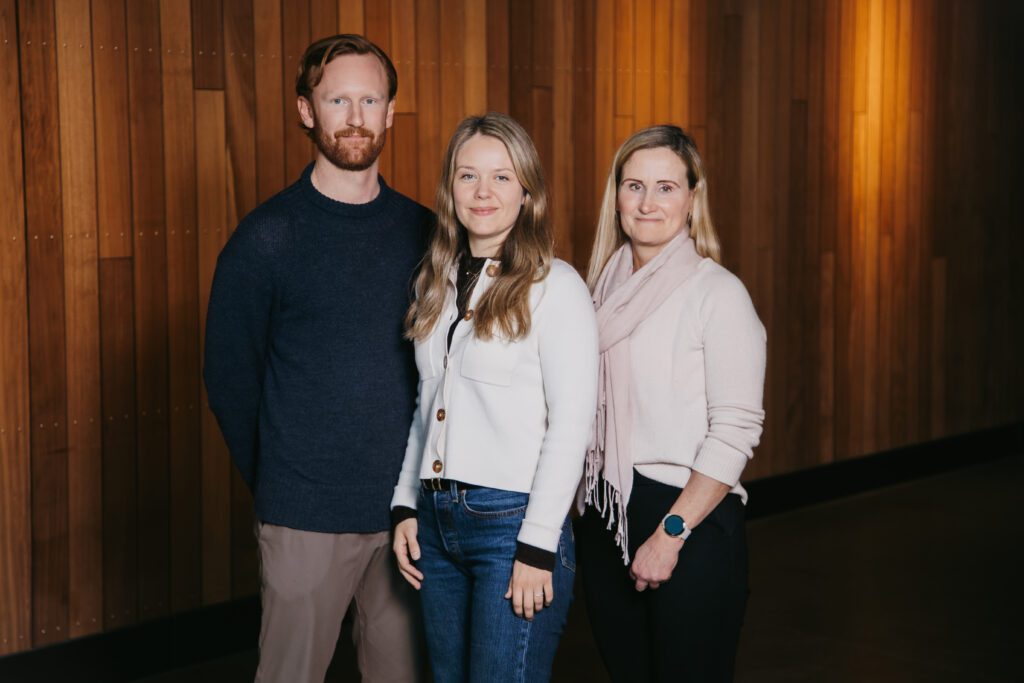
Flugstjóraaðferðin is a web app that connects families, schools and healthcare providers around the daily wellbeing of children with neurodevelopmental conditions, such as ADHD, autism or anxiety. It aims to help children and the adults supporting them better understand how the children are feeling, while giving doctors a clearer overview.

Heimaspítali Suðurlands provides hospital care at home. The aim is to expand the service and develop a model that can help establish hospital-at-home services in rural areas.

Hilda Health is an app developed by doctors that helps parents prepare for their child’s medical appointment using questionnaires and symptom tracking. The results are summarised for the doctor to help make the most of the appointment.

Logn develops a lightweight, accessible sound device for everyday use by people with tinnitus. The project is at an early stage, and the team is focusing on regulatory requirements and user testing.

Minamo has developed a silicone coating that prevents pathogens from adhering to medical devices, reducing infections without antibiotics. The company has its roots at the University of Iceland and is now seeking partnerships with medical device manufacturers.
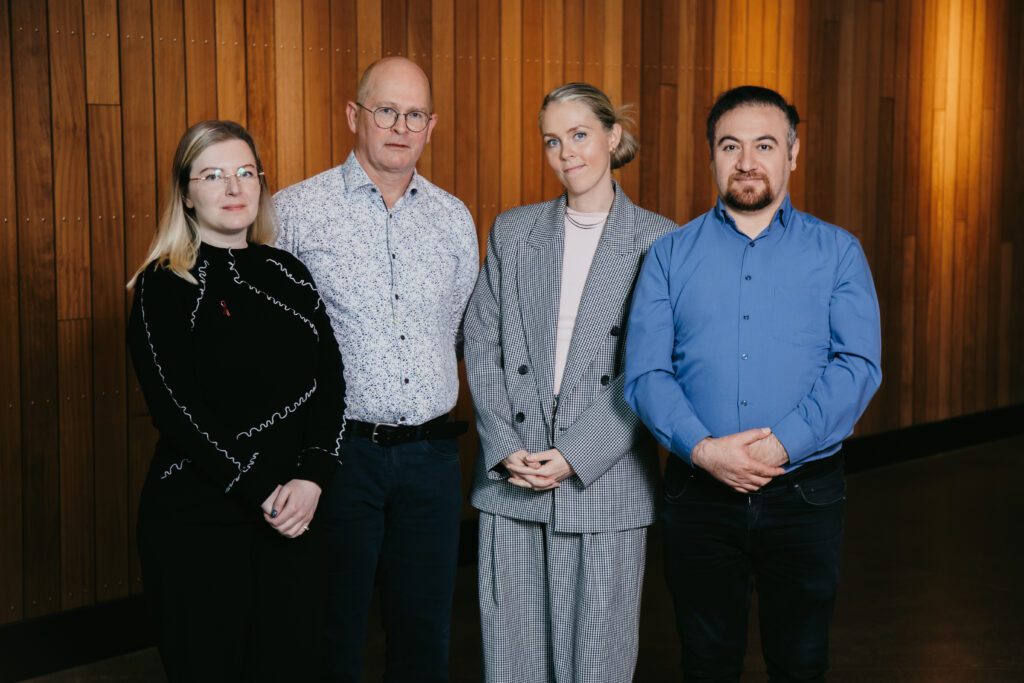
Mín Skimun is an app that helps women keep track of breast and cervical cancer screenings through reminders and educational resources.

WaveResilience is a platform for heart rate variability (HRV) biofeedback in the workplace, combining monitoring devices, a web app and training. The solution is based on research, and the team is working to turn it into a scalable product for businesses.

“This year’s group is diverse, and all the teams are tackling real challenges. We look forward to supporting them over the next five weeks and watching them grow,” says Haraldur Bergvinsson, Project Manager at KLAK – Icelandic Startups.
KLAK health is supported by Landspítali, the Ministry of Health, Íslandsbanki, Helix, Securitas, Heilsuvernd, Lifa VC, Össur, Nox Medical, Frumtök and Lyfja.